





October 7, 2026
Elawady's Tayabaat: A Muslim Diet For Healthy Happy Life
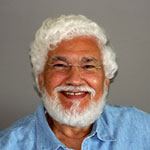

Tayabaat is a diet developed mainly for Muslims.
Muslim-majority countries have the highest diabetes rates; Pakistan at 30.8% of adults (ranking #1 globally), Kuwait at 24.9%, Egypt at 20.9%, Qatar at 19.5%, Saudi Arabia at 18.7%.
And they're among the highest countries with obesity rates; Saudi Arabia at 37.3% of the adult population, Kuwait at 37.2%, Brunei at 33.6%, Iraq at 32.3%.
This diet, Tayabaat, was developed by the late Deia’ El-Deen Elawady, MD (1979 – 2026), formerly Faculty of Medicine, Ein Shams University, Egypt.
He named the diet Tayabaat, driven from the Qur’anic verse (2:172).
O believers! Eat from Tayabaat which We (God) have provided you, and always give thanks to God, if you truly worship Him.
(2:172)
Dr. Elawady’s diet was followed by many people, some of whom were inspired by his teaching that it was based on Qur’anic verses and how the Prophet Muhammad ate.
Many suffering with chronic conditions anecdotally reported positive results after following his recommendations.
But he was negatively criticized by Egyptian state-controlled media for lack of scientific evidence and was attacked by Egyptian commercial fish, chicken, and egg producers for hurting their businesses.
In 2025 he lost his license to practice medicine and was fired from his university teaching post. He died in Dubai in 2026.
Official reports attribute his death to heart failure—he was a heavy smoker all his adult life and frequently apologized to his followers and patients for his addiction to nicotine.
Just a week before his death in July 2026, Elawady left a disturbing post on social media saying that rumours of his plan to commit suicide were false and that if he were found dead in Dubai, it would be murder. He was only 48 at the time of his passing.
Today, Elawady’s diet seems more popular than ever and his story closely reflects what happened to another popular diet promoter of an earlier generation.
Following publication his 1950 best seller, Look Younger, Live Longer, American nutritionist and self-help writer, Gayelord Hauser (1895 – 1984), was also attacked for his diet recommendations by both the medical community and commercial food industry. His diet recommendations were later discredited by the American medical profession.
Below are some highlights of Elawady’s Tayabaat diet.
Parts of it closely resemble the famed Mediterranean Diet recommended by agencies such as the UN World Health Organization. (Note: other parts of Tayabaat do not follow WHO standards):
1. Don’t overeat.
2. Don’t eat unless you feel hungry.
3. Don’t eat until you feel full.
4. Drink only water, black coffee, or real fruit juice.
5. Have a spoon of honey daily.
6. Make a habit of intermittent fasting in addition to the fasting during the month of Ramadan.
7. Avoid commercially-produced chicken and eggs that are raised using artificial hormones and antibiotics. Choose instead free-range poultry and their eggs.
8. For protein, choose fresh fish, goat, or lamb. Avoid shellfish and farmed fish.
9. Avoid beef, cow’s milk and dairy products raised with artificial hormones and antibiotics. Instead, choose goat’s milk and its products.
10. Avoid bleached white flour and products containing it. Instead, choose flours made with whole grains, ancient grains, rice and corn.
11. Avoid vegetables and fruits grown with pesticides; choose organic, non-GMO produce whenever possible.
12. Mushrooms, and root vegetables such as potatoes and sweet potatoes, are easily digested and absorbed by the body.
13. Avoid leafy greens and legumes, which are harder for the body to digest and absorb.
14. The best fruits are dates, figs, and grapes.
15. Stop medications gradually and only after medical consultation.
* * *
Note: Consult your family physician before beginning any nutrition program, to ensure that it is appropriate for your age, health issues, and prescribed medications.
A recommended medical science reference for further reading on nutrition and diets:
Lifestyle Medicine: Lifestyle, the Environment, and Preventive Medicine in Health and Disease, edited by Dr. Garry Egger et al, 3rd ed. (Academic Press, 2017).